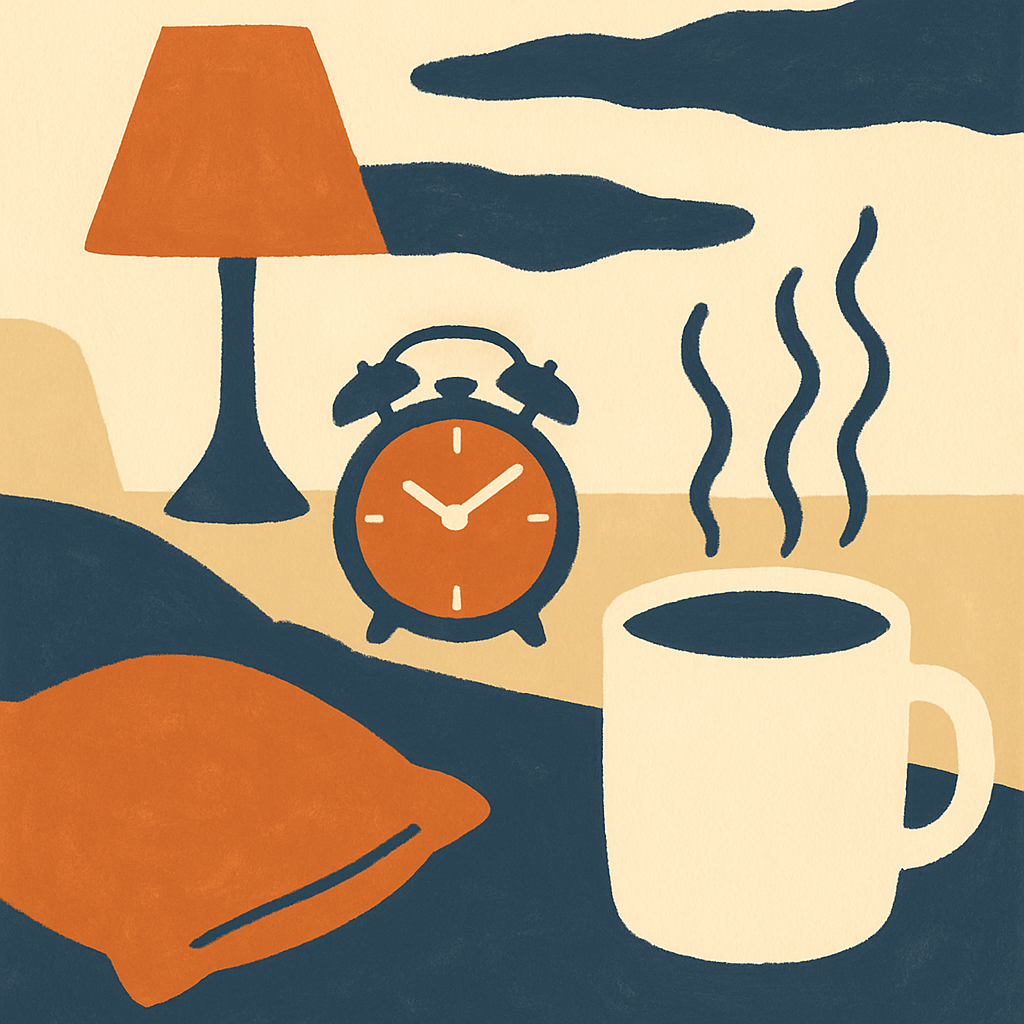
Why Am I So Tired at the End of the Work Week?
She had been tired for so long that she stopped thinking about it as tiredness. Just background noise. Then one week she cut the coffee back, started sleeping better, ate three meals instead of whatever was fastest, and discovered something underneath the noise. She was exhausted. Actually exhausted. Not the kind she could power through with another cup at two in the afternoon. The kind that sits in the bones.
It made her wonder what the caffeine had been covering up. How long she had been running on stimulants and sheer determination, calling it normal because everyone else seemed to be doing the same thing.
We build entire lives on top of exhaustion we refuse to name. We call it busy. We call it necessary. Somewhere underneath all of that, the body keeps a different kind of time. It knows how many mornings we woke up tired and kept going anyway. It knows the difference between rest and the forty minutes grabbed between obligations. The tiredness at the end of the work week is not about the work week. It is about all the weeks before it that we never actually recovered from.
She remembered driving home years ago at two in the morning, telling herself the heaviness in her chest was love. She was sad to leave him. That was the story. But looking back, she could feel the difference. It was anxious sadness. Her body trying to tell her something her mind was not ready to hear. That the late nights were not romantic. That exhaustion was not proof of devotion. That something was wrong, even if she could not have said why.
Her nervous system knew before her brain did. Something was screaming, and she interpreted it as feelings she was supposed to have.
The exhaustion is not a failure. It is information.
Most of us do not get tired because we worked too hard one week. We get tired because we have been overriding the body’s signals for so long that we no longer recognise them as signals. The tightness in the chest becomes normal. The shallow breathing becomes how we breathe. The caffeine becomes how we stay awake.
We take the body’s clearest signals and translate them into something we can live with. The exhaustion becomes a badge. The sleeplessness becomes commitment. The anxiety becomes excitement. And the body keeps trying, quieter each time, until we stop hearing it entirely.
When she finally slowed down enough to listen, the message was not complicated. It was just tired. Really, really tired. And for once she did not decide that pushing through was more important than listening.
Sit with:
What does your body keep saying that you keep translating into something else?
If the exhaustion is not about needing more sleep, what is it actually about?
When was the last time you stopped because you were tired, not because everything was finished?