Why the things we do outside of work feel more real than the work itself
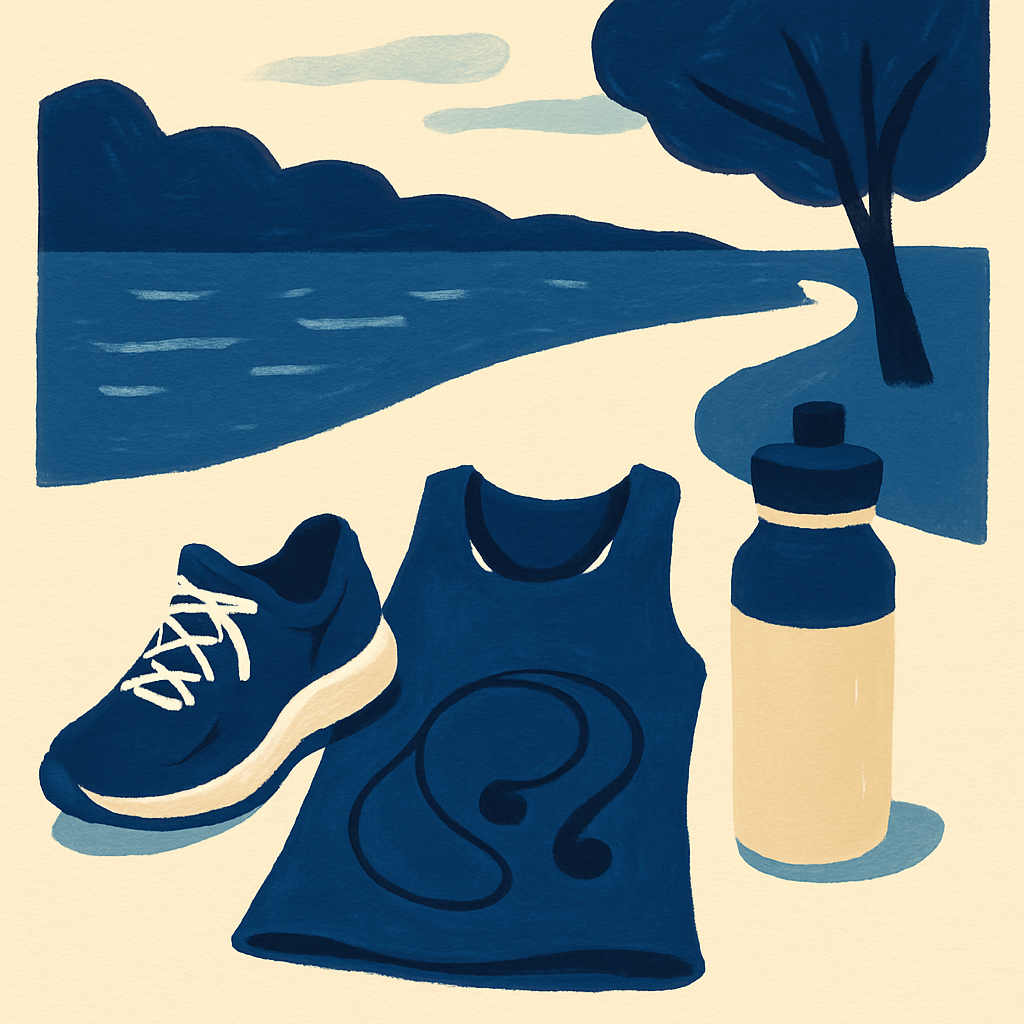
She runs three mornings a week along a lake path near her house. The programme she follows has a walk-before-she-needs-to approach, so she never runs exhausted. She says it stays fun this way.
She is also learning pottery. And baking sourdough. And trying to write more consistently. None of it is going quickly. She cannot tell if she is improving, and some days that frustrates her. But she would not feel like herself if she stopped trying.
She spent most of her childhood avoiding anything she was not immediately good at. The thought of failing in front of others felt unbearable. She is fifty-one now. She picked up clay for the first time this year.
We fill the gaps around work with things that require attention but cannot have all of it. We go slowly. We cannot always see improvement, but we keep building because standing on something we made ourselves feels different than standing on what we inherited.
The question she does not ask is the one we carry when we are honest. It sits underneath the running plan and the pottery wheel and the sourdough starter.
It is: what are we doing this for?
Not the hobby. The job. The fifty hours a week we give to the thing that pays for the lake path and the pottery class. The thing that fills the calendar but not the day.
She says these small attempts at mastery make life feel alive. We know what she means. We also know what she is not saying. That something else is making it feel dead.
The wasted feeling does not announce itself. It accumulates. One meeting that could have been an email. One project that goes nowhere. One more year where good work gets exactly what was already there.
We tell ourselves it is fine because we are learning pottery on the side. Because we have something that is ours.
And it is fine. Except that we spend more waking hours earning the money to fund the thing that makes us feel alive than we spend doing the thing itself. We know the maths. We do not say it out loud.
The trade-off made sense once. Maybe it still does. But when she says she would not feel like herself if she stopped trying, she means the pottery and the running. She does not mean the job.
We can build a whole life this way. Good benefits. Decent people. A paycheck that clears. A foundation sturdy enough that we are afraid to risk it. And underneath it all, the quiet hourly feeling that we are spending time we will not get back on something that does not need us the way we need it to.
Sit with it:
What are you protecting by staying? What are you protecting yourself from by not asking that question more directly? If the feeling is not going away, what is it trying to tell you?