My family makes me feel like a bad person
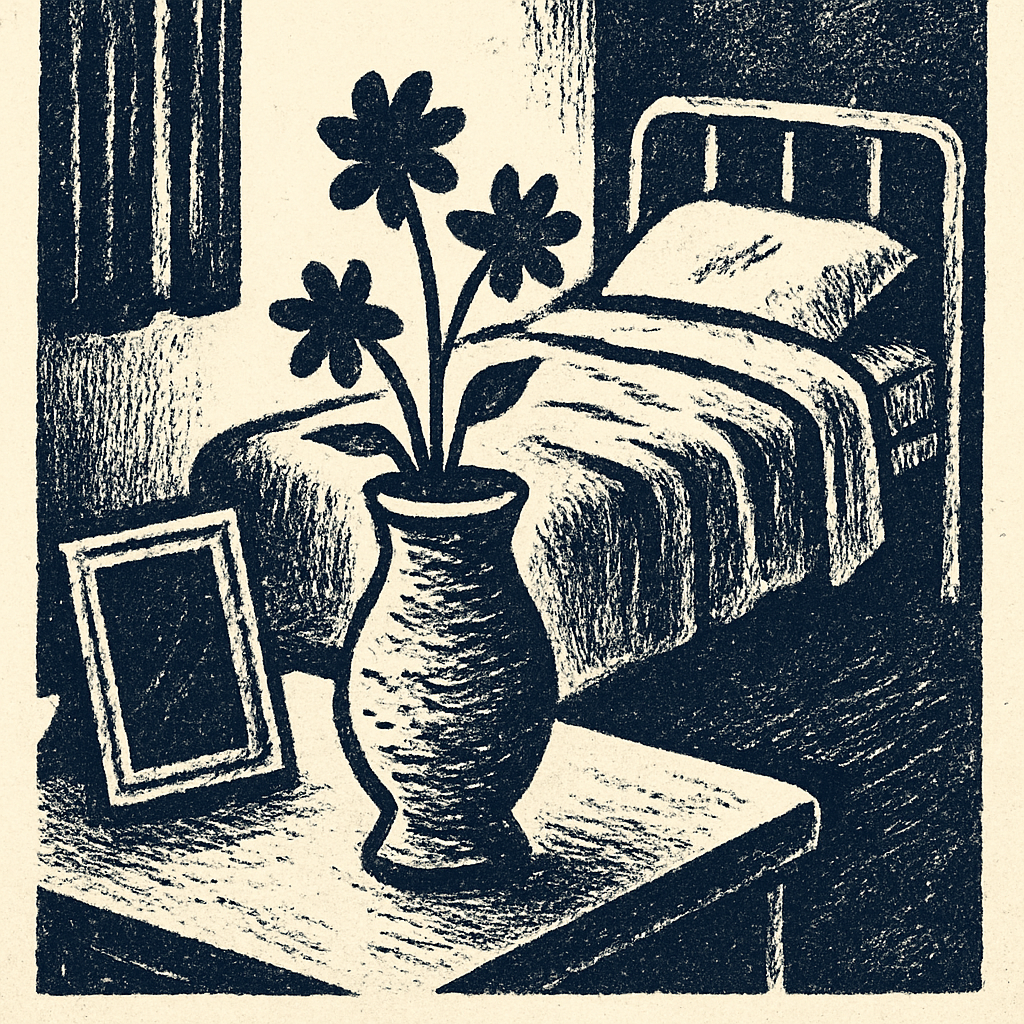
She was eleven when she asked about the vase. The one she had made, the one they had brought to the hospital two days before he died. She wanted to know if they would return it. She did not get to finish the question. She was told she was being selfish. Four years later she found it herself, in a closet in the new house, in a room she was not supposed to be in.
The vase had survived. No one had told her.
This is how it starts. Not with cruelty. With correction. With being told her questions are the wrong shape. She learned early: what came naturally to her was a problem other people had to manage.
By thirteen she was correcting introductions. By thirty she was still there, watching her children pulled out of school without her permission, listening to her mother ask how she knew things, as if knowing anything at all was suspicious. She set boundaries. They were overruled. She said no. It happened anyway. She asked to be included. She was told her behaviour was the reason she could not be.
We can do this for decades. Stay close to people who make us feel like the problem is us. We stay because we need the help, or because leaving looks cruel, or because we are still hunting for the rubric that will finally let us in. We adjust and apologise and try again. We do not realise we are practising disappearance.
She thought she was giving her children grandparents. What she was actually doing was teaching them that some people get to rewrite the story while she stood there holding the truth no one wanted to hear. She got out eventually. Thirty years in. It cost her most of herself.
What do we owe people who taught us we were too much, and then made us believe we were not enough?
There are people carrying this who have been corrected out of their own instincts. Who have apologised for telling the truth. Who have spent years trying to earn a place they already had, until the trying became the only thing left.
The cost shows up later. In the way we stop saying what we mean. In the quiet, reflexive belief that what we feel or remember is probably wrong, probably selfish, probably too much.
She wrote that she became angry instead of bitter. That feels important. Anger is what happens when you still believe something else was possible. Bitterness is what sets in when you stop. She stayed angry long enough to leave. Getting out is not the same as getting free. But it is the beginning of it.
Sit with this:
What have you been correcting about yourself to fit someone else’s version of acceptable?
Who taught you that your knowing things was suspicious, and how long have you been proving them wrong in silence?
If anger is what you feel when you still believe something else was possible, what does it mean that you are still angry?