Why adulthood still feels like something other people know how to do
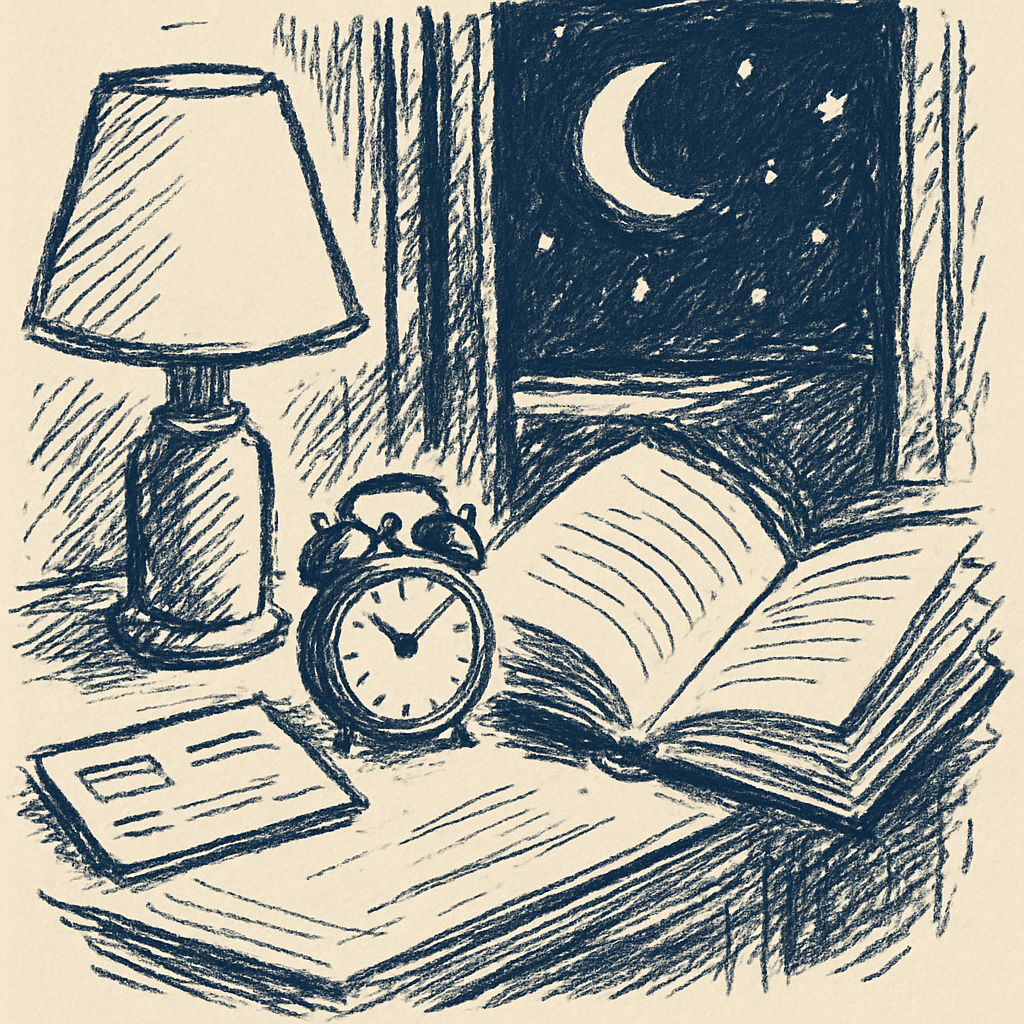
She has a job. She pays her bills. She shows up on time. But late at night, when the day finally stops demanding things, she opens a book and disappears into someone else’s life because it feels more real than her own.
She started this in childhood. The library that smelled like old paper and spring-loaded doors. The beady-eyed librarians with glasses on chains. She measured her growth not by a doorframe but by which shelf she could reach. When she won school prizes she got to keep the books. Those felt different. Those were proof she had done something right.
By eleven she was hiding in the school library during lunch. Not sporty. Not popular. Just her and the Brontës and Thomas Hardy. She read Tess of the D’Urbervilles and thought if she ever had a son she would name him after a character in a book. She was planning a future she could not picture except through other people’s words.
Then she left home. A bedsit with icicles on the inside of the windows. A downstairs neighbour who brought friends home after night shifts. She bought a record player and stacked paperbacks beside it. Jilly Cooper. Jackie Collins. Women who kicked down doors and did not apologise. It was the only way to cast aside the day.
We do this. We treat books like a place we can go when the place we are standing does not fit. The question is not whether reading is escape—of course it is. The question is what we are escaping from, and whether we ever come back with anything we can use.
She never stopped. Career shifts, new cities, the years stacking up. Thrillers that somehow predicted the future. Romance novels finished in a single morning with tea going cold beside her. Each one a small vacation from the life she was building but could not quite inhabit.
Somewhere along the way she lost some of those childhood books. A move she was not part of. Belongings that disappeared into someone else’s decisions. Years later a friend found one in an antiques shop and bought it back. It sits on her shelf now, a little worse for wear, still proof that something mattered.
We spend whole lifetimes this way. Reading about people who know what they want. Who solve the mystery or win the love or save the day. We close the book and we are still here—the bedsit, the grammar school, the job that pays the bills.
Maybe the books were never the problem. Maybe they were practice. A way to feel things we did not yet have language for.
The shelf gets higher every year. And we keep reaching.
Sitting with it:
What were you escaping to, or what were you escaping from?
When did reading stop feeling like practice and start feeling like the only place you knew how to be?
What would it mean to bring one thing back with you?