Why going home does not feel like coming home anymore
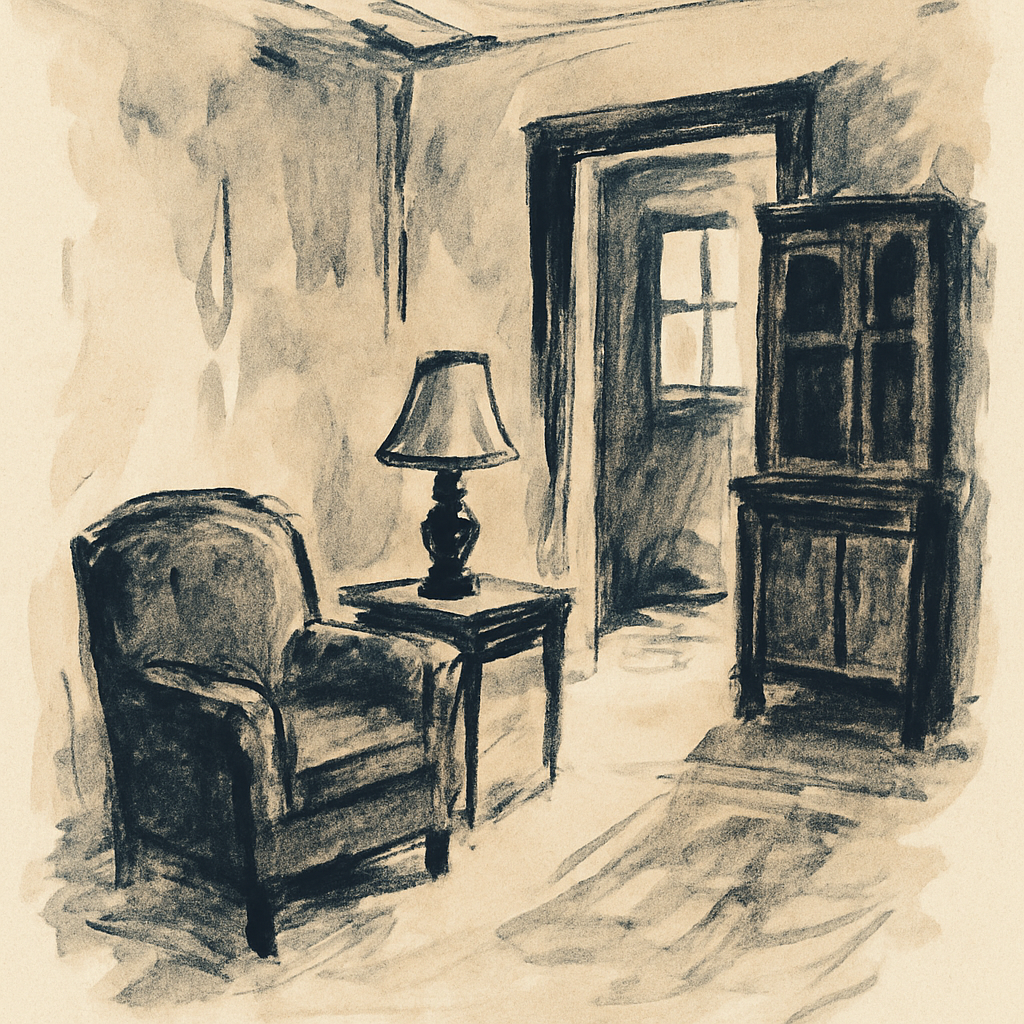
She walks into her grandmother’s house and feels like a stranger. Not because anything has changed. Because nothing has.
The kitchen smells the same. The voices overlap the same way they always have. Cousins crowd around the table, uncles laugh at the same jokes, aunts move through the rooms with the same easy familiarity. She still sits at the table. She still laughs when everyone else laughs. But underneath it all, she is performing a role she used to live.
The house has not rejected her. Her family has not turned cold. If anything, they are warmer than ever, pulling her into conversations, asking about her life. And that is somehow worse. Because the problem is not them.
She has changed in ways she cannot explain to people who knew her when she was still certain.
We carry entire childhoods in places like this. Rooms where we learned to talk, tables where we learned to listen, houses that taught us what home was supposed to feel like. And then we grow, and the house stays exactly the same. We expect distance to announce itself. We expect rupture to feel like breaking. But sometimes it just feels like sitting at a table full of people who love us and not knowing what to say.
She is not angry. She is not estranged. She is something harder to name. Present and absent at once, tethered to a past self that does not fit anymore but cannot be discarded either.
What do we owe the places that made us, once we have become someone else?
The weirdness is not always conflict. Sometimes it is just change meeting permanence.
We look for the wound, the slight, the moment it broke. But there is no wound. There is just the slow accumulation of becoming. We have lived years the family was not part of. We have made choices they do not understand. None of that makes the love untrue. It just makes the belonging harder.
The family sees the girl who used to climb the mango tree. She feels the weight of the person she has become since. Both are real. Neither one is lying. And she sits in the gap between them, trying to hold both at once.
Sometimes we find new ways to belong, new rhythms that fit who we are now. Sometimes we just show up, feel strange, and leave. The house does not stop being home just because we have learned to live somewhere else too.
The question is not whether we still belong. It is whether we can belong differently.
What version of yourself do you bring to the table when you go back?
What are you protecting by staying quiet?
If the weirdness is not conflict, what is it making room for?