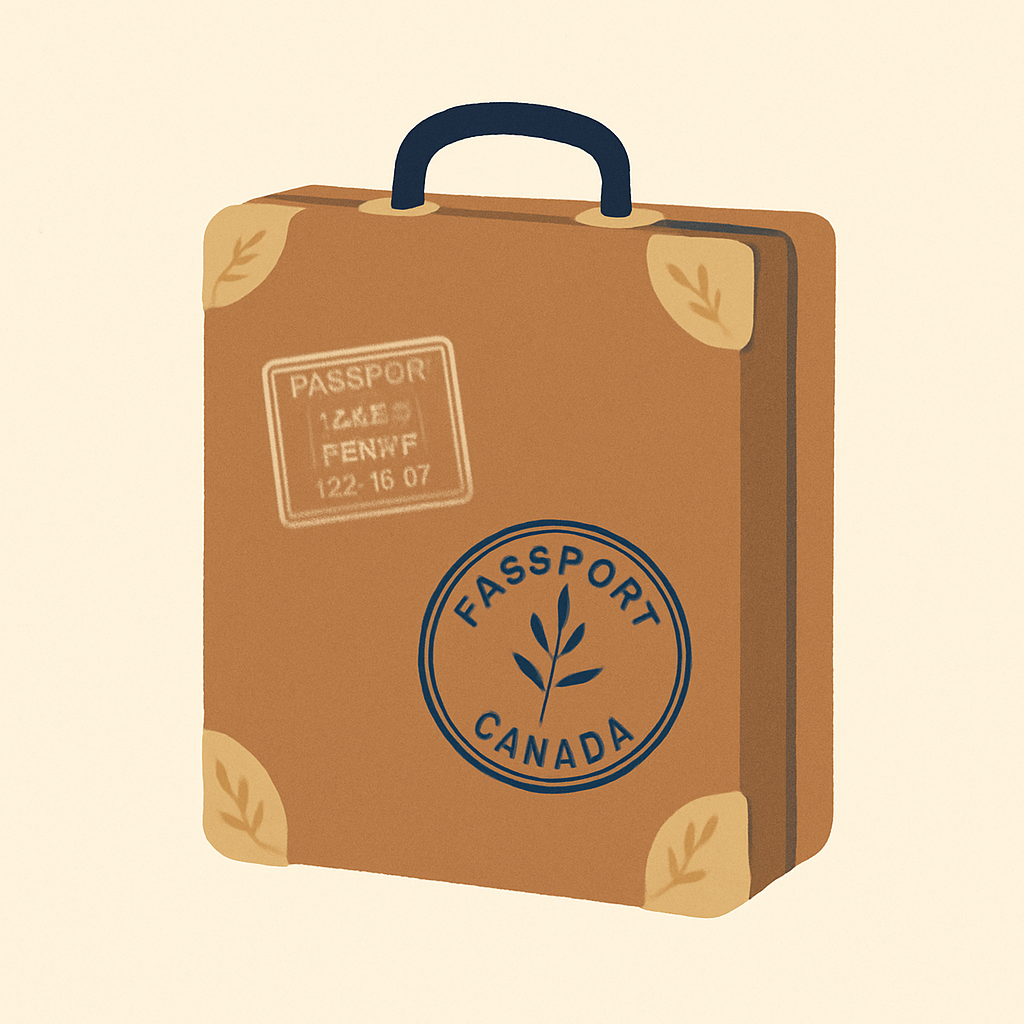
He packed the same suitcase twice. Once when he left. Once when he came back to visit and realized he didn’t know where home was anymore.
Five years abroad. New language, new routines, new version of himself that emerged so gradually he didn’t notice the original slipping away. The accent shifted first. Then the sense of humor. Then the things he found important. By year three, he was someone his younger self wouldn’t recognize at a dinner party.
He went back for a wedding. Sat at a table with people who knew him before. They told the same stories. Laughed at the same punchlines. He laughed too, but it felt like watching a recording of someone else’s life.
The person they remembered wasn’t who showed up.
We think change happens in moments. The decision to leave. The plane taking off. The first night in a new place.
But real change is quieter than that. It’s the accumulation of a thousand small adaptations we don’t name until we’re standing in our childhood bedroom and it feels like a museum.
Nobody warned him that becoming someone new meant losing the person everyone expected him to stay.
His parents asked when he was moving back. His friends joked about him “finding himself” like it was a phase. They were waiting for the original version to return. He didn’t know how to tell them that version was gone. Not dramatically. Not traumatically. Just gradually replaced, cell by cell, choice by choice, until the architecture was different.
He tried explaining it once. Said he felt more himself now than before. His mother nodded but her eyes said she’d lost something.
Maybe that’s the cost nobody mentions. You get to become who you’re supposed to be. The people who loved who you were have to mourn someone who’s still breathing.
What do you owe the version of yourself other people are still holding onto?
The hardest part isn’t the change itself. It’s the gap between who we’ve become and who everyone else still needs us to be.
He could move back. Relearn the rhythms. Slide back into the shape he used to fill. People do it all the time. But there’s a specific loneliness in performing a self you’ve outgrown, and it lives in your throat like a permanent apology for evolving.
The question isn’t whether change is worth it. The question is whether we’re allowed to change without permission.
Some things to sit with: Think of a version of yourself you’ve left behind. Not rejected. Just outgrown. What would that person say if they met you now? And when you go home to people who knew you before, who are you performing for?