Why do I feel guilty spending money on luxury goods?
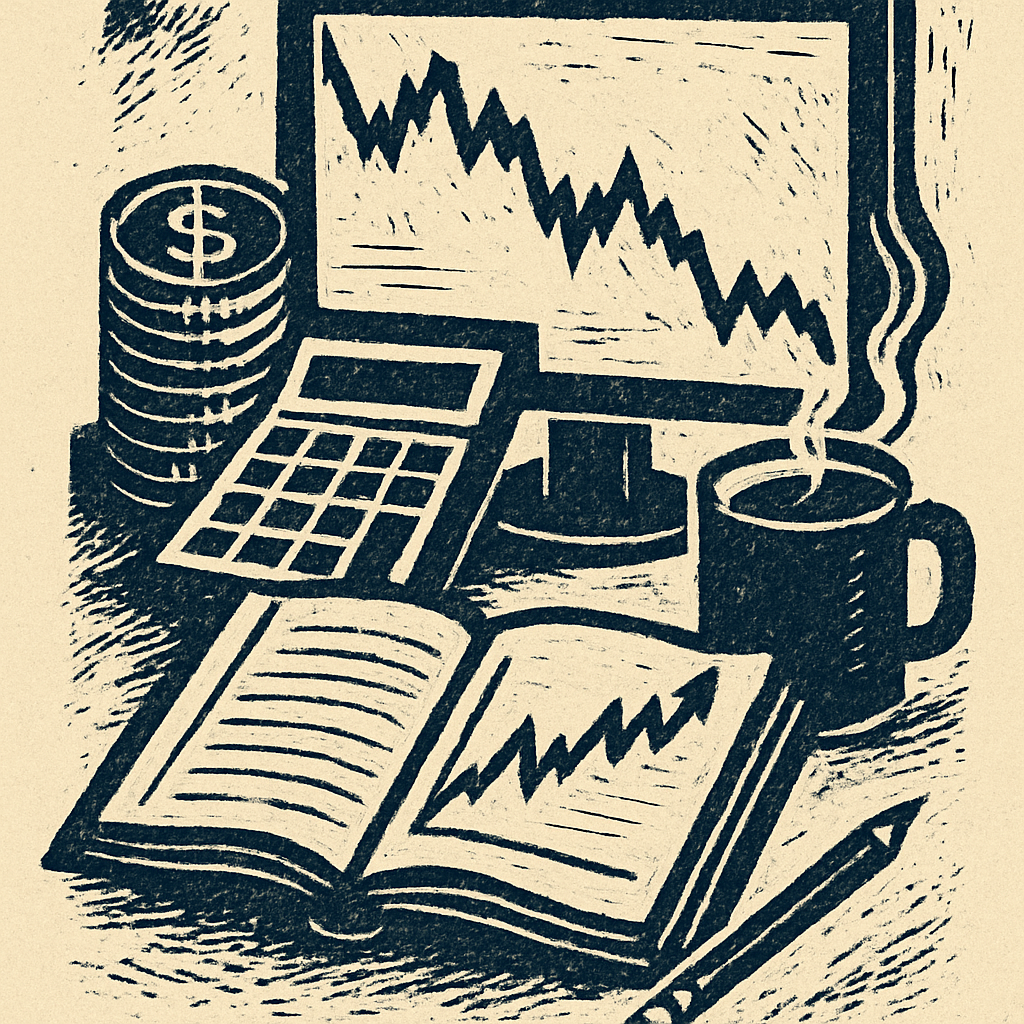
He spent ten years watching numbers. Not checking them once a week or glancing at a portfolio app before bed. Watching. Tracking thousands of stocks, learning patterns, building systems. Then he wrote down what he learned and the first thing he said was this: the hardest part was never finding the next great company. The hardest part was something else entirely.
We think the problem is information. More data, better analysis, the right newsletter, the perfect timing. We treat investing like a puzzle with a solution somewhere out there, just beyond what we currently know.
But the people who watch the numbers every day for years say something different. They say the information was never the issue.
He learned seven lessons from all those thousands of stocks. The list is practical, useful even. But the first lesson sits differently than the others.
The hardest part was not the research. It was sitting still while everyone else moved. It was watching something rise and not jumping in. Watching something fall and not running out. It was the waiting, the doubt, the quiet voice asking if doing nothing meant doing it wrong.
We want the answer to be complicated because complicated feels controllable. If the problem is that we do not know enough yet, we can fix that. We can learn more, read more, track more.
But what if the problem is that we already know what to do and we just cannot make ourselves do it?
The real lessons were not about picking stocks. They were about sitting with your own fear long enough to let a plan work. About recognising that the urge to do something, anything, often comes from discomfort rather than insight. About understanding that the market does not care about your timeline or your need for this to feel like progress.
He tracked thousands of stocks and what he learned was this: the information is available, the strategies are known, the hard part is being the kind of person who can follow through when it stops feeling good.
Which brings us somewhere uncomfortable. We collect advice like armor. We read the lessons, nod along, maybe even write them down. But advice is not the same as capacity. Knowing what to do and being able to do it are different problems entirely.
Most of us are not missing information. We are missing the ability to sit still while our hands want to move. To watch our careful plan encounter real conditions and not panic. To trust something we built in calm moments when the calm is gone.
Some things to sit with:
What part of your plan do you abandon first when you get nervous? Not what you think you should do. What do you actually do when the numbers move and your stomach drops?
If someone gave you the perfect strategy tomorrow, guaranteed to work over ten years, could you follow it for ten years? What specifically would stop you?
What are you hoping busyness will solve that patience has not?