Why anger at the dead feels like the one grief we cannot say out loud
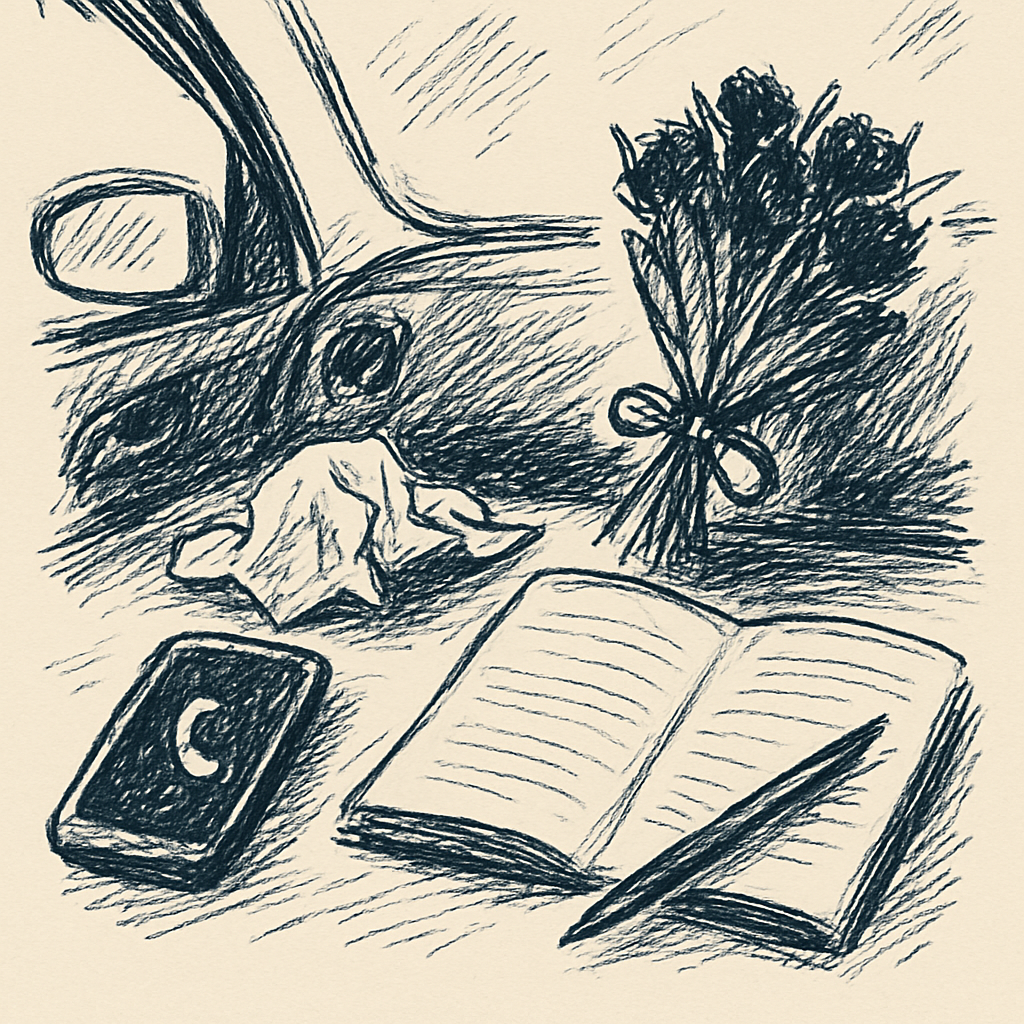
Her son was killed on a Wednesday evening. She was driving home from work when her phone rang. For ten months after that she could not write about the hardest parts. She wrote around them—about grief and faith and the shape of the days after. But the first week, the moment she heard, the things people said in the hospital, the funeral director asking questions she could not believe were real—she could not touch those until much later.
When she finally did, she was surprised how angry she was. Not at God. Not at the randomness of it all. At him. At her son. For leaving. For making her life the one that continued without him.
We do not say this part out loud. We allow ourselves sadness, shock, even rage at the universe. But anger at the person who died feels like a betrayal. So we push it down and call it something else. We say we are grieving. And we are. But underneath, sometimes, is this: how dare you leave us here to figure this out alone.
She wrote that the anger came in flashes. In the middle of a sentence about hope, she would stumble into pure fury. That he got to be done and she had to keep going. That everyone spoke about his legacy and no one mentioned that legacy is the work left for other people to carry.
She did not stay there. But she went there. And going there did not make her love him less.
The question is not whether anger at the dead is normal. The question is what we do when we realize we have been holding it at arm’s length for months, calling it everything but its name.
We can be angry at doctors, at drunk drivers, at God, at cancer, at timing. But angry at the person themselves—for the silence they left, for the fact that we are the ones who have to stay and learn to live around the hole—that feels too close to saying we wish they had not mattered so much.
But of course we are angry. They mattered. That is why it hurts. That is why some days the predominant feeling is not sadness but resentment that they are not here to see how hard this is.
The anger does not mean we did not love them. It means we are still here and they are not, and the imbalance of that is unbearable some days.
She wrote that she had to let herself feel it before she could move past it. Not process it into something noble. Just let it sit in the room with her and admit it was there. The anger was not the end of the story. But it was part of the story. And pretending otherwise made everything else feel like a performance.
Where does the anger live in you?
What would happen if you let it be anger instead of dressing it up as something more acceptable?
Who are you protecting by not saying it out loud?