Why do I feel bad for calling out of work?
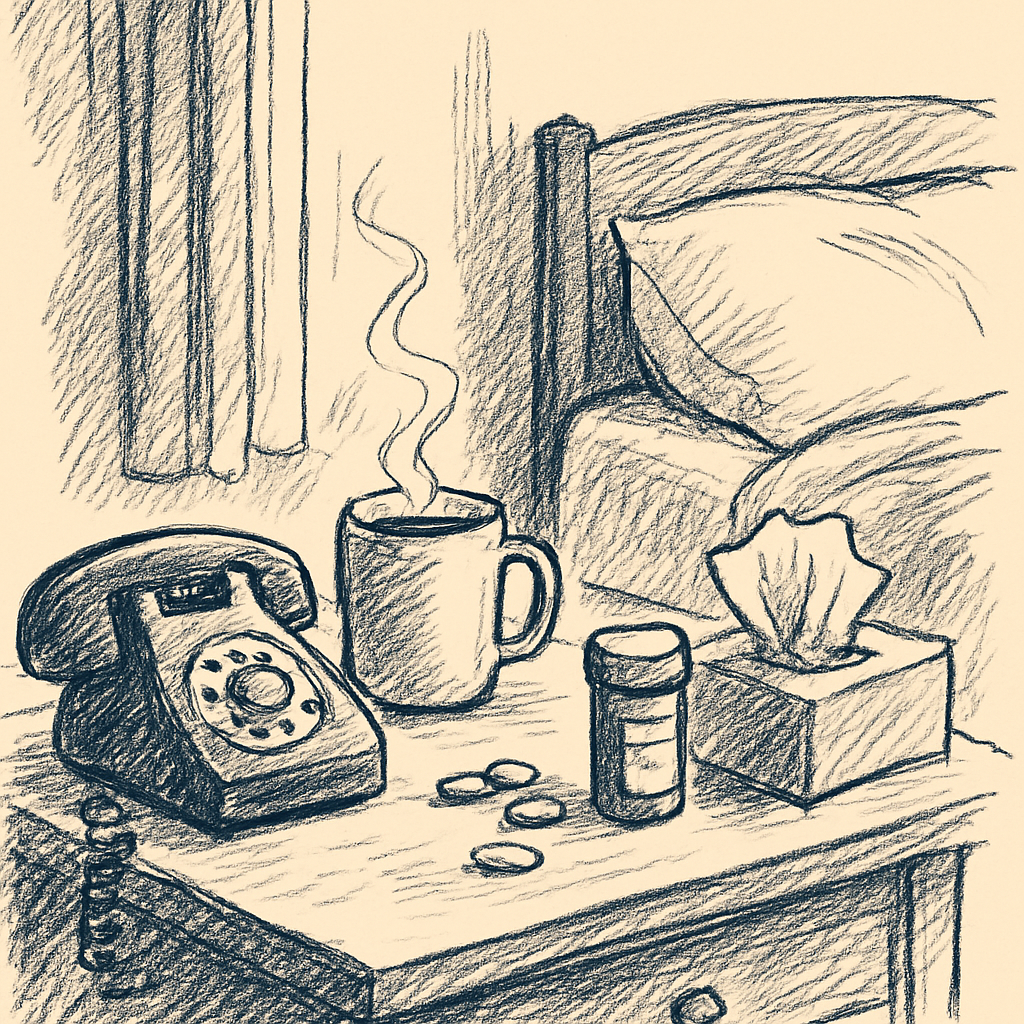
She called in sick on a Tuesday morning. Her voice came out steadier than she expected. By noon she was still in pajamas on the couch, scrolling her phone, unable to shake the feeling that she had done something wrong.
The call took eight seconds. The guilt took all day.
She was not sick. Not in the way people mean. She was tired in a way that made getting dressed feel impossible, that made the thought of another meeting unbearable. So she called out. And now she cannot stop wondering why that feels like a moral failure.
We treat calling out like a small theft. Even when we are allowed the time. Even when we need it. Something woven into most of us says rest is only permitted after we have earned it. And earned means worked until nothing is left.
The grocery cart was higher than expected. The insurance premium was due. The prescription had gone up again. She had been moving numbers around for weeks. One night, after everyone else was in bed, she sat at the kitchen table and whispered, If You are there, I could use some help.
Maybe that is not a prayer. Maybe it is just what happens when we run out of moves.
She took the day because she needed it. That should be the end of the sentence. Instead there is this quiet voice asking what right she has to rest when the bills are still unpaid and someone else covered her shift and tomorrow will be just as hard.
The guilt does not come from doing something wrong. It comes from the belief that worth is measured by how much we can hold before we break.
What if the real failure is not in calling out, but in the fact that she had to reach that point before she let herself stop?
There is a line we cross without meaning to. Where work stops being what we do and becomes the proof we are worth keeping. When we call out, we are not just asking for time. We are asking whether we are still valuable when we are not producing.
That question does not get answered in a day.
The woman at the kitchen table was not asking for wealth or certainty. She was asking if someone saw her trying. If it mattered that she was exhausted. If rest was something she was allowed to need.
The guilt that follows is not about the job. It is about what we have been taught to believe about ourselves when we stop. That we are less. That we are taking something unearned. That we owe more than we are giving.
We do not talk about how exhausting it is to live like that.
What do we owe the part of us that could not keep going?
When did rest become something to justify?
What would change if we believed we were worth caring for, even when we were not working?