Why do I feel guilty about spending money on food?
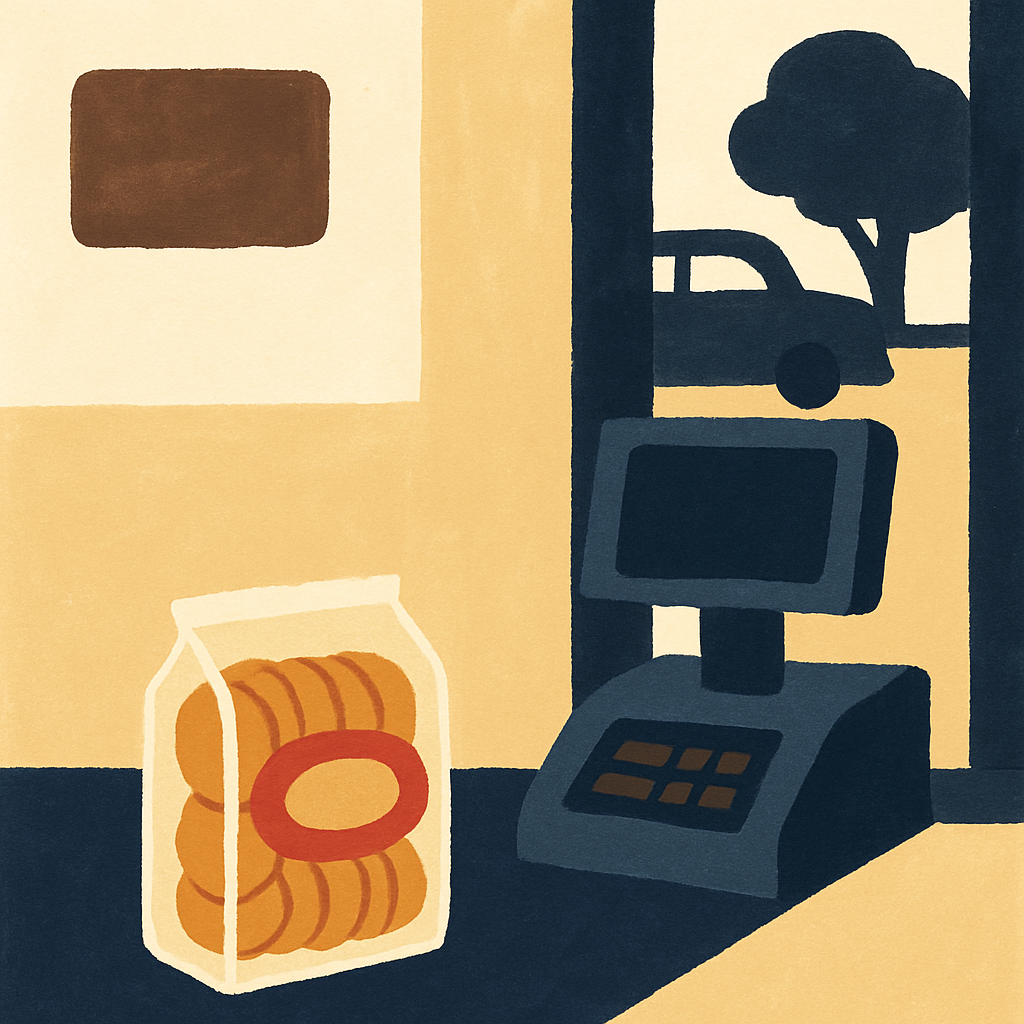
She stood in the checkout line holding a package of cookies that cost two dollars and forty-eight cents. She had seen the man outside when she walked in. Now the cookies felt heavier than they should.
She told herself she was broke too. The bills were winning and the bank account was not. But she wanted the cookies. Then she remembered the story about the widow who gave everything, and the cookies stopped being about hunger at all.
We do this. We turn small purchases into referendums on who we are. The question is never just “can I afford this.” It becomes “do I deserve this” and then “what kind of person buys this when someone else has less.” We carry the courtroom with us. Judge, jury, guilty before we reach the car.
She gave him the whole package. Drove away. Wanted the cookies back.
The following week she returned with groceries and ten dollars in her bag. She had already given once. That should have been enough. But she heard herself ask: do I only trust God when the money is good?
She circled back. Rolled down the window. Handed him the ten. Drove away ten dollars lighter and something else heavier.
She did not have enough to cover November’s rent. She gave it anyway. Not because it made financial sense. Because the alternative was carrying the ten dollars and the question home together.
What are we grinding toward when generosity and selfishness feel like the same sin?
The guilt about spending money on food does not care what the food costs. It arrives whether the purchase is reasonable or reckless. Someone orders takeout after a twelve-hour shift and feels it. Someone stands in the grocery store doing math that has nothing to do with the account balance and everything to do with whether that person has earned the right to eat something wanted instead of something cheaper.
We have built whole lives inside this arithmetic. Every small purchase becomes evidence in a case we are building against ourselves. The cookies were on sale and still felt like too much.
The woman in the car did not solve anything by giving the money away. She chose which discomfort to carry. That is what most of us are doing. We are not deciding whether we can afford something. We are deciding which guilt we can live with.
The man outside the store did not ask her to do the math. She did it herself. That is the part that follows us home. Not what we spent or did not spend, but the feeling that we are always one purchase away from being the wrong kind of person.
Where does the calculation end?
What would it feel like to buy the cookies and not carry the courtroom home?
Who taught us that wanting something was the same as taking it from someone else?