I can’t forgive myself for cheating on my husband
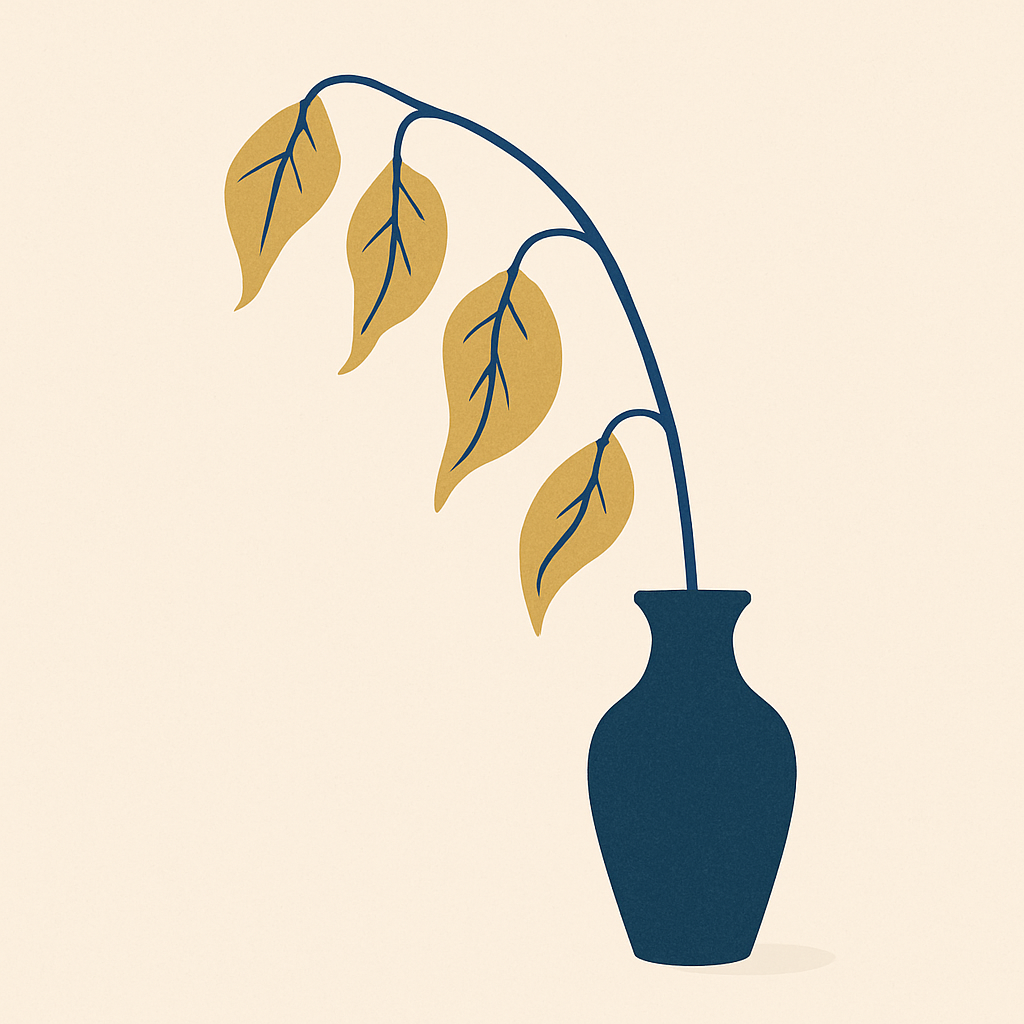
She thought healing was something that happened once. That grief landed, broke you open, and then slowly, over months or years, you put yourself back together. She thought once you healed from something, you were done with it.
Then her mother got sick again. Same cancer, different location. She’d already done the hospital vigils, the hard conversations, the year of learning how to breathe around the fear. She’d done the work. She’d come out the other side. She thought that chapter was closed.
It wasn’t.
We keep thinking healing has an endpoint. That there’s a moment when we’re finally free, finally whole, finally past it. We think forgiveness of life itself works like forgiveness of a person. You do the hard thing once and then it’s settled.
But life doesn’t stay still long enough for us to be done with it.
The same wound opens in a different place. The same grief shows up wearing different clothes. We think we’ve made peace with our limits, with our bodies, with what we’ve lost. Then something shifts and we’re back at the beginning, staring at the same question we thought we’d already answered.
Maybe the part we never forgive is the part that keeps asking us to start over.
Not the first loss. Not even the second. But the fact that there isn’t a final loss. That healing isn’t a door we walk through and close behind us. It’s something we carry, something that asks things of us again and again, in forms we don’t always recognize until we’re already inside them.
She healed from her mother’s first illness. She did. But healing didn’t protect her from the second one. It didn’t exempt her from having to show up again, afraid again, uncertain again.
What do we do with the part of us that’s tired of being asked to be resilient?
There’s a version of this where we blame ourselves for not healing correctly the first time. Where we think if we’d done it right, really dealt with it, processed it fully, we wouldn’t be here again. But that’s not how bodies work. It’s not how loss works. It’s not how love works either.
The people we care about keep being fragile. Our own bodies keep surprising us with what they can and cannot do. The world keeps shifting under our feet even when we’ve finally found our balance.
We’re not failing at healing. We’re just learning that it doesn’t end. That forgiving life for being hard doesn’t mean it stops being hard. It means we stop expecting it to stop.
Something to sit with:
What are you still healing from that you thought you’d already healed?
What would it mean to stop waiting for the final version of yourself?
Where in your life are you being asked to start over, and what if that’s not a failure?