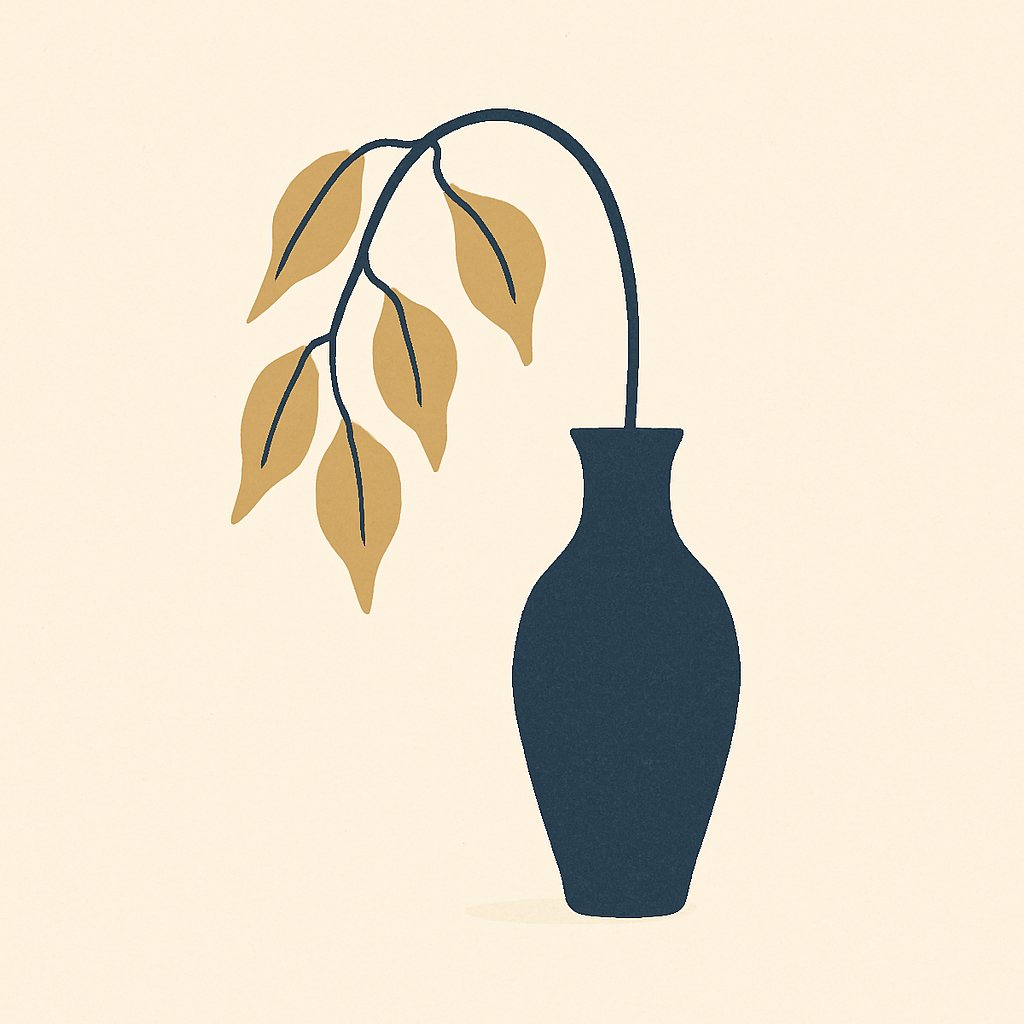
Why do I feel like I’m nobody?
She turned twenty-seven. Didn’t cry.
First time in years.
She wrote that down like evidence. Like something she needed to prove to herself. Not the birthday itself but the absence. The shape of what didn’t happen.
When relief arrives, we notice it by what’s missing. No breakdown this year. No spiral. No weight in the chest at midnight. We catalogue the disaster that didn’t come and call it progress.
But there’s something uncomfortable about marking time by what we didn’t feel.
She wrote it down because it mattered. Because birthdays had been a minefield and this one wasn’t. That’s real. That counts.
But here’s the thing we don’t say out loud: sometimes getting better just means the floor stopped falling out. You’re standing. You’re not crying. You’re functional. And everyone acts like that’s the destination.
It’s not nothing. It’s survival dressed up as a win.
And maybe that’s enough for this year. Maybe twenty-seven is the year you stop expecting fireworks and start noticing when the ground holds. Maybe the first good birthday in years is just that. Not joy. Not celebration. Just the absence of collapse.
But we’re allowed to notice the gap between “didn’t break down” and “felt something good.” We’re allowed to want more than relief eventually.
What do we do with the birthdays that don’t hurt but don’t light up either?
There’s a version of healing that looks like flatline. You stop hitting bottom. The lows smooth out. You’re stable. And stable is better than drowning. Stable is the thing you begged for when you were underwater.
But stable can feel like waiting. Like you fixed the crisis and now you’re just here. Present but not participating. Safe but not alive.
She didn’t break down. That’s worth something. That’s years of work. But the relief comes with a question underneath: now what?
Because once you stop surviving, you have to figure out what living looks like. And that’s harder than it sounds. There’s no one-size script for building a life that feels like yours when you’ve spent so long just trying not to fall apart.
Maybe twenty-seven is the beginning of that work. Not the year everything clicks. The year you notice the absence and start asking what fills it.
Sit with this:
What would it mean to celebrate something other than not falling apart?
When did relief start feeling like enough, and when did it stop?
What does a good day look like when you’re no longer measuring against the bad ones?