Is it normal to have no friends in your 20s?
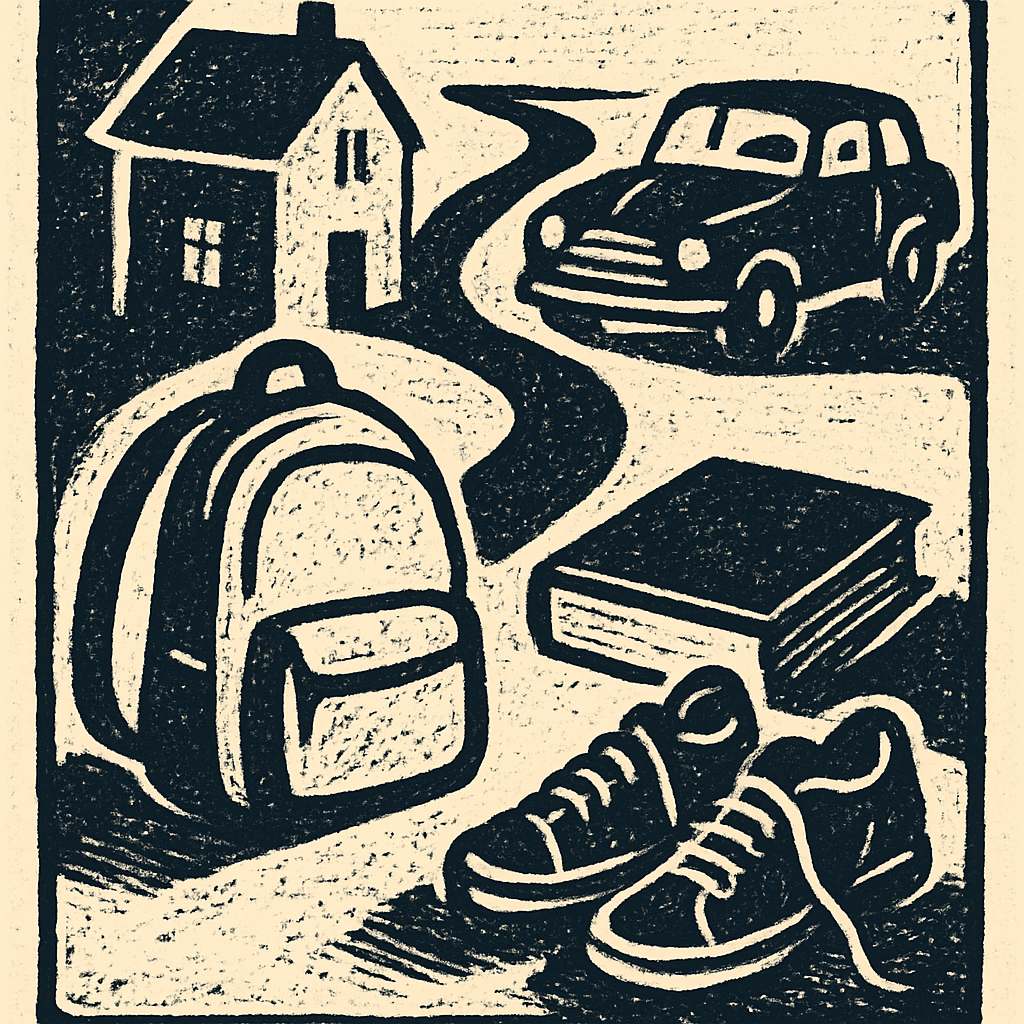
She moved when she was ten. Same town, different side. Same school, but now her dad drove her there instead of her walking. The neighbourhood kids she used to see every afternoon became people she only knew between bells.
She still had friends. Just not the same ones in the same way.
It wasn’t that the new place was worse. The house was bigger. The yard was fine. There were other children on the street and some of them became friends too. But they weren’t the ones who had grown up feral with her, who knew every family within ten blocks, who walked everywhere without asking. Those friendships stayed where she’d left them. across town, still close enough to see at school, too far away to just be together.
She noticed how much smaller her world got even though the house was larger.
We talk about friendship like it is always a choice we make. Like proximity does not write half the story before we even speak.
The move stripped something she did not have a name for yet. Not the friendships themselves. those stayed, technically. What disappeared was the assumption that she would see them. The ease of it. The way a best friend used to just be the person across the street.
And the new friendships, the ones that formed later, carried a different weight. They were good. They were real. But they were not built on the same foundation. She could feel the difference even if she could not say what it was.
Some people spend their twenties like this. Same town, even. Same people nearby, sometimes. But the structure underneath has shifted and what used to be automatic now requires intention. Friendship stops being the thing that happens while you are doing something else and becomes the thing you have to organise, plan, protect. You can do it. Many people do. But it is not the same, and we know it is not the same, and there is a loneliness in that knowing that has nothing to do with how many people you can name.
The question is not whether it is normal to find yourself without the friendships you thought you would keep. The question is: what do you do when you realise the conditions that grew them no longer exist?
She spent years on the south side. But when someone asked where she was from, she still said the north.
What are you still calling home that you left a long time ago?
What friendships are you holding onto not because they still fit, but because they used to?
And what would it mean to let the structure change without calling it a loss?