Why is it so hard to make friends as an adult woman?
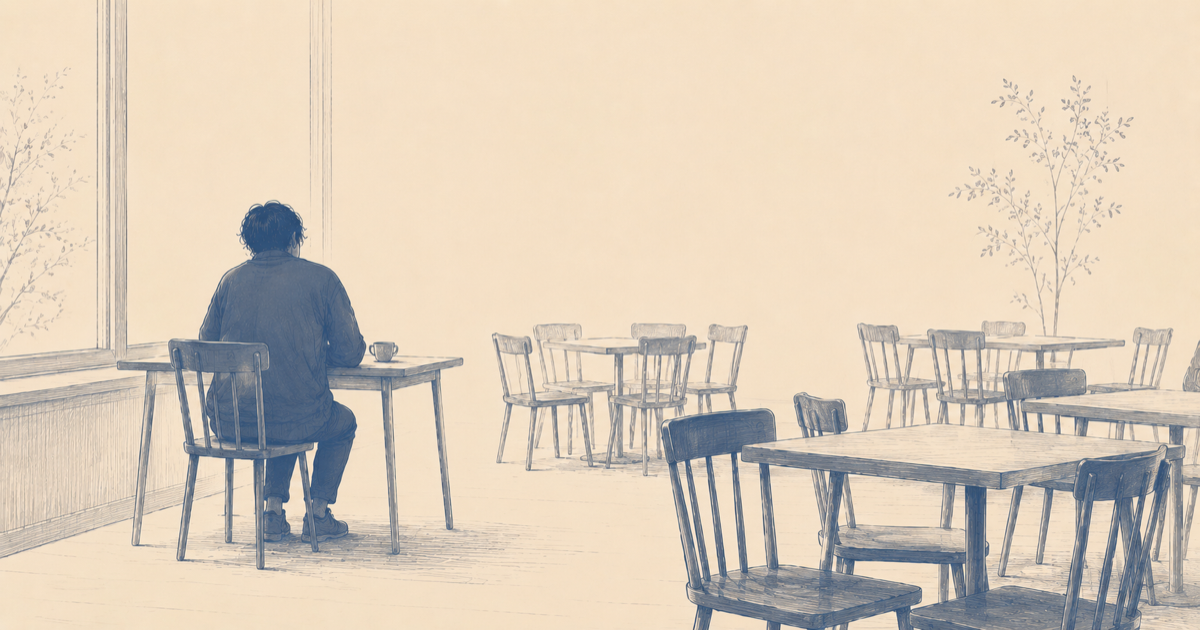
She had been in the city for three years. She had colleagues she liked. She had neighbors she waved at. She had no one she would call if something fell apart.
She had tried. The apps, the activity groups, the showing up at things. She was decent at the first conversation. The second one never seemed to happen.
She mentioned it to a cousin at a family dinner and the cousin looked at her with relief and said: me too. She had never felt less alone in a moment of loneliness.
Adult friendship is one of the things we pretend should happen naturally after a certain point in life. It did happen naturally once. When you were in the same building as people for eight hours a day for years, and proximity and repetition and shared experience did the work. Now the building is gone. The conditions for accidental closeness are gone. And nobody tells you that the skills required are completely different from the ones you used as a child.
I found making friends as an adult much harder than I expected. I blamed myself for a long time. Then I realized the difficulty was structural, not personal. The way adult life is organized is not built for the casual repetition that closeness requires.
She’s not bad at friendship. She’s good at friendship. She is living in conditions that make friendship structurally difficult, in a culture that doesn’t talk about that, making her feel like the problem is her.
It isn’t her. But knowing that doesn’t give her a second conversation.
The research on adult friendship is clear that it requires three things: proximity, repetition, and unplanned interaction. Modern life optimizes for none of those. The loneliness many adults feel is not a character flaw. It’s a structural outcome of how we’ve arranged our lives.
She goes to the activity groups. She has the first conversations. She keeps going. The second conversation will come. It always does, eventually. It just takes longer than it should.
Some things worth sitting with:
- Have you found adult friendship harder to build than childhood friendship was?
- Is there something you’ve been blaming yourself for that might actually be a structural problem?
- What would it take to create the conditions for closeness in your current life?
Something similar runs through They Grew Up Together and Apart and Didn’t Notice Until They Were Strangers., if you want to keep sitting with it.
Inspired by a real story shared anonymously online.