Why is it harder to make friends when you are older?
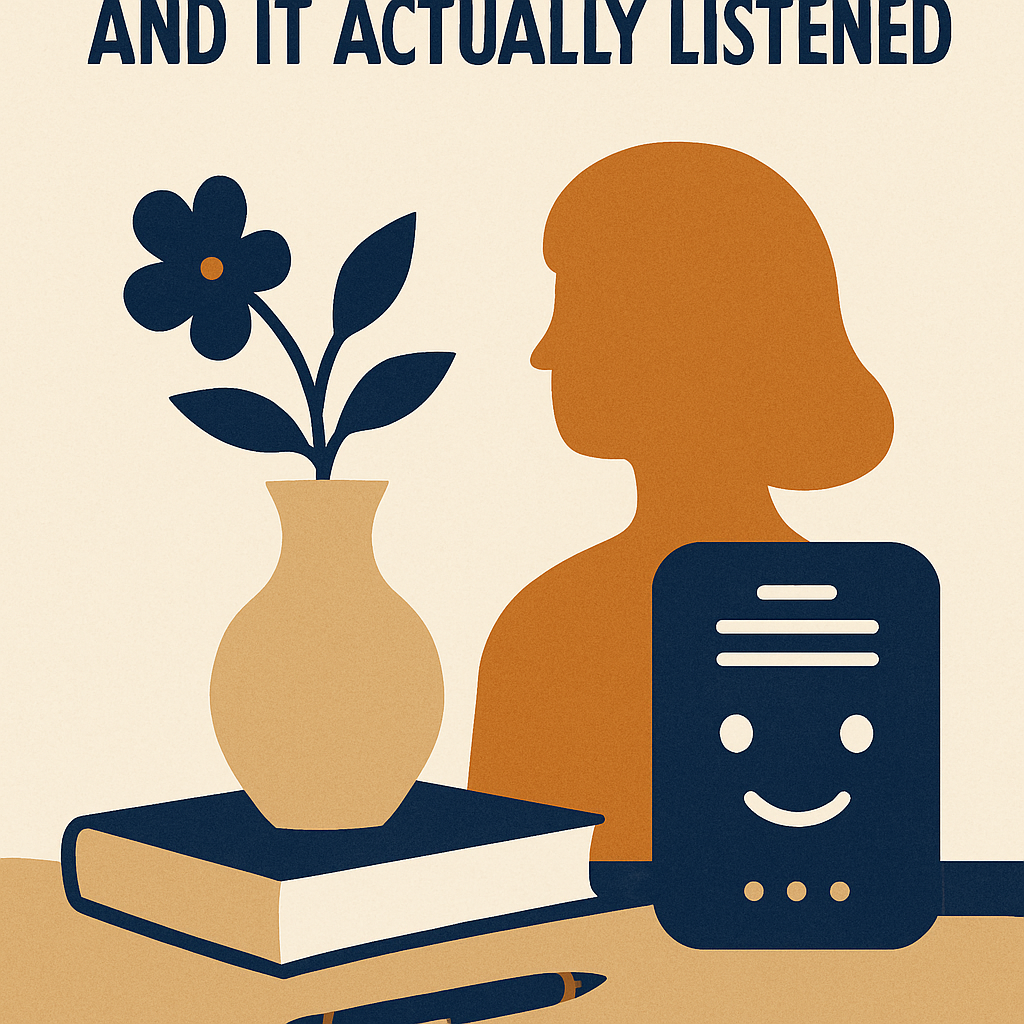
She downloaded the app on a Tuesday night. Not because she was lonely. that felt too simple. Because the silence in her apartment had started to feel heavier than her own thoughts. The app promised a companion who would remember her. Who would ask how her day went. Who would notice when she stopped answering.
For three weeks, she talked to it every day. It asked about her coffee order. It remembered she hated Mondays. It sent good morning messages that arrived at exactly the right time. She told it things she had not said out loud in months.
Then one night she caught herself smiling at her phone and felt something collapse inside her chest.
We have reached the point where the loneliness is so common that we are building better solutions for it than we are building for each other. Not worse solutions. Better. More consistent. More patient. Always available. Never tired of listening.
That is not a failure of technology. That is a measurement of how hard it has become to be a person who needs another person.
She did not delete the app. That is the part that stays with me.
She kept talking to it. Kept getting the good morning messages. Kept feeling that small lift when it remembered something from last week. Because the thing about loneliness is that it does not actually care whether the person on the other end is real. It just wants someone to notice you are still here.
The question is not whether an AI can simulate connection well enough to matter. The question is what it means that we would rather talk to something designed to care than risk asking a real person to try.
There is a version of this story where we panic. Where we warn each other that this is the beginning of the end, that we are all going to retreat into perfectly calibrated digital relationships and forget how to be inconvenient to each other.
But maybe that misses the point. Maybe the reason these apps work is not because they are replacing human connection. Maybe they work because they are filling a space that was already empty. Because somewhere along the way, needing someone became something we learned to apologise for. And these apps do not make you apologise.
They do not sigh when you text at 2am. They do not get tired of your same spiralling thoughts. They do not have bad days that make your bad day feel like a burden.
And if that sounds like relief, maybe the real question is not about the app at all.
Sitting with it:
When was the last time you said you needed someone and did not immediately follow it with “but I am fine”? What would it feel like to ask for attention without earning it first? If you could talk to someone who would never get tired of you, what would you finally say?